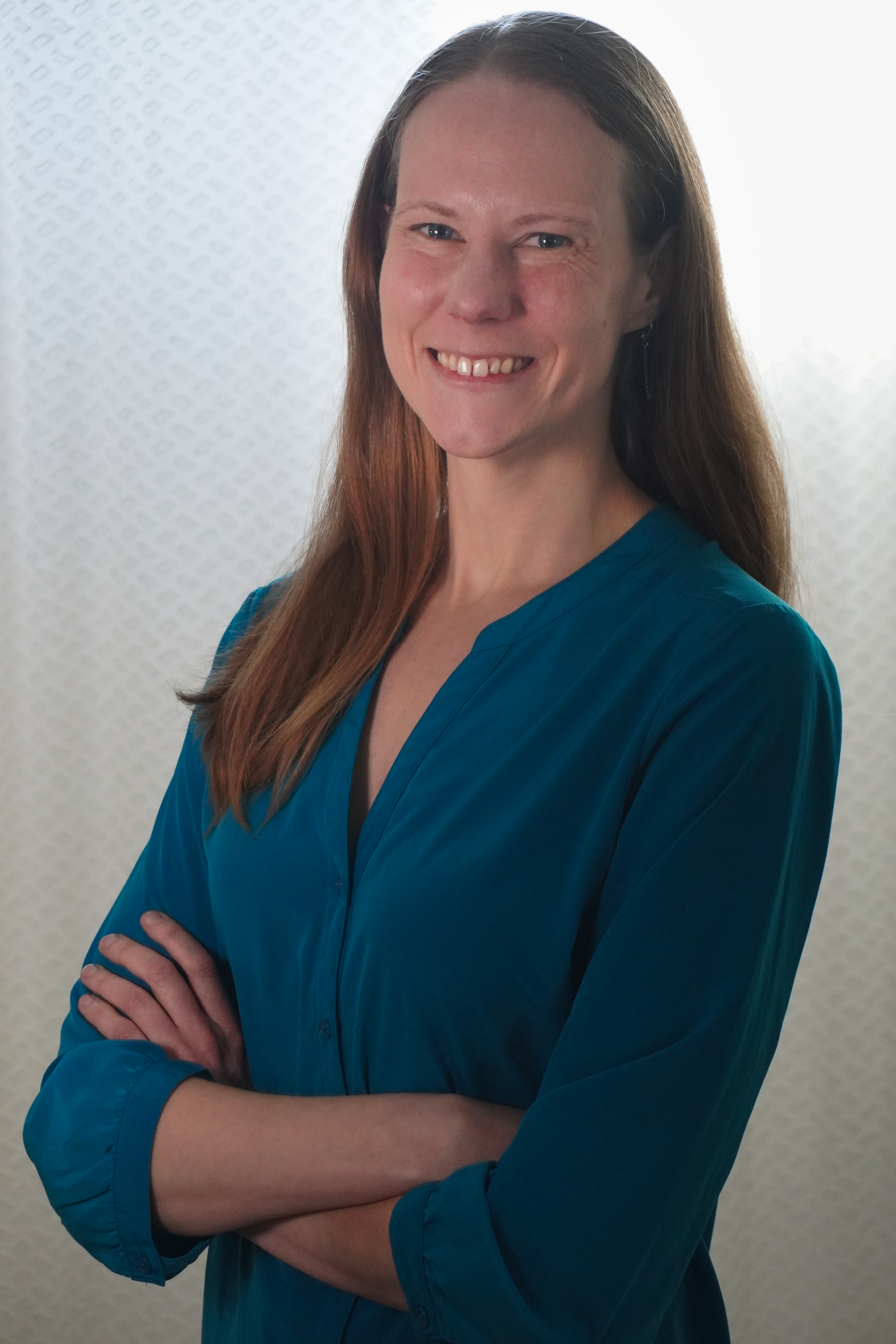
I am a postdoctoral researcher in the Department of Biological Sciences at Vanderbilt University, where I work with Dr. Nicole Creanza on the evolution and physiology of learned behaviors. My research uses songbirds and their songs as a study system, combining large-scale phylogenetic comparative analyses with computational and machine learning approaches to understand how complex behaviors evolve.
My work addresses questions including: How does sexual selection shape the evolution of song complexity? What is the relationship between mating systems and the pace of song evolution? How do cooperative breeding dynamics and territoriality influence whether female birds sing? I have compiled some of the largest databases of songbird mating systems and acoustic features to date, enabling cross-species analyses at a scale that was previously not possible.
I am also deeply committed to the effective and responsible use of machine learning and AI in behavioral research. This computational background, along with years of developing advanced audio analysis techniques for my scientific work, led to an unexpected creative pursuit: Vibralizer, a real-time music visualization application.
During my doctoral research, I developed a profound appreciation for the power of seeing sound — the way visual representations of acoustic signals can reveal patterns invisible to the ear. When I was diagnosed with hearing loss in my late twenties, that appreciation became personal. Vibralizer was born from the realization that the right visualization can allow anyone to experience the full richness of music, whether or not they can hear every nuance.
I actively strive towards inclusivity in biology, science, and society at large.
Pronouns: she/her
 Kate T. Snyder, Ph.D.